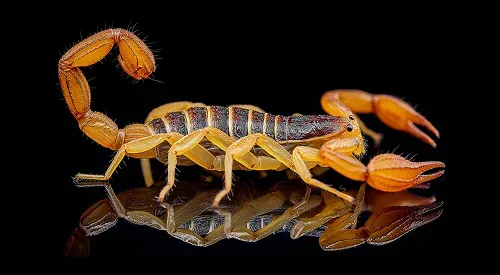
Quick answerWhen scorpion season ramps up in Scottsdale, what bark scorpions do at night, and how to prepare your home. No-contract scorpion control.
Updated November 18, 2026 · Studs Against Bugs, Scottsdale, AZ · 480-670-4529 If you have lived in the Scottsdale area for a while, you know the feeling of spotting a pale, straw-colored scorpion on a garage wall or near the baby gate. Most Valley homeowners think of scorpion season as the hot months, and that is a reasonable rule of thumb. As the nights warm up, scorpions travel farther, hunt more, and show up in more places around the yard and the house.
This guide explains what is actually happening during scorpion season, why north Scottsdale properties with desert landscaping and block walls are especially familiar with it, and what a homeowner can do before the activity peaks. It is general guidance based on how bark scorpions are known to behave, not a promise about any one property. If you would rather have a professional look at your home, our scorpion control service starts with an inspection.
What people mean by scorpion season
Arizona bark scorpions are active in some form for much of the year, but they are far more visible when the weather is warm. Cool nights slow them down and they spend more time tucked away in cracks, under rocks, and inside wall voids. When temperatures climb, they become more mobile, which means more sightings on patios, pool decks, and inside garages.
So there is no single start date on the calendar. Think of it as a gradual ramp that follows the weather, and plan around the first stretch of consistently warm evenings rather than a specific day. Homeowners who wait until they have already found one inside are working from behind.
How bark scorpions behave after dark
Bark scorpions are nocturnal. They spend the day hidden and come out at night to hunt, mostly for insects. That last detail matters more than most people realize: a scorpion on your property is often there because its food is there. Crickets, roaches, and other small insects pulling in at night draw scorpions along with them.
Bark scorpions are also good climbers, which is why they turn up on stucco, block walls, and even ceilings. They can squeeze through very small gaps, so a door sweep with daylight showing underneath, a gap around a pipe, or a loose weep screed cover can all be an open door. Many homeowners are surprised to learn the usual route in is not a dramatic hole but a crack you could barely slide a credit card into.
Where scorpions hide on a desert property
Scorpions look for tight, shaded, undisturbed spots. In a typical Valley yard, that means a handful of predictable places:
- The seams and top caps of block walls and fence lines
- Under landscape rock, pavers, and stacked pots
- Inside irrigation boxes and utility covers
- Behind stored items in garages and casitas
- Palm trunks and thick ground cover near the house
- Door and window frames where weatherstripping has worn out
Homes backing onto open desert, washes, or preserve land tend to see more traffic simply because there is more natural habitat next door. Newer subdivisions with heavy rock landscaping can also provide plenty of cover. If you want a closer look at what different neighborhoods tend to deal with, browse our neighborhood pages.
What to do before activity picks up
A few habits make a noticeable difference, and none of them require special equipment. Start by cutting off the food supply: a home with fewer insects is less interesting to a scorpion. Then work on access and hiding places.
- Seal gaps around pipes, cables, and the garage door, and replace worn door sweeps
- Keep branches and vines trimmed back so nothing bridges the ground to your roofline or walls
- Pull rock, wood, and debris back a foot or two from the foundation where practical
- Shake out shoes and towels that sit on the floor, especially in garages and laundry rooms
- Check outdoor furniture covers and pet beds before bringing them in
Many people also use an ultraviolet flashlight at night, since scorpions glow under UV light. It will not stop anything, but it is a quick way to learn where they travel on your property so you can focus your sealing and treatment there.
Why store-bought sprays disappoint in the desert
Arizona heat is hard on over-the-counter products. Surface sprays can break down in days under direct sun, and scorpions are not always crossing the treated area anyway. That is one reason professional programs rely on heat-resistant, professional-grade products and on treating the places insects and scorpions actually travel, including the perimeter and the interior hot spots.
That approach is built into our Tri-Guard Technology: an inspection to find entry points, a plan tuned to local pest life cycles, targeted treatment, and follow-up visits that adjust as the seasons change. Because scorpions follow their food, regular service that keeps other insects in check supports the effort too. Our Quarterly plan, from $53/mo, is designed for yards with full landscaping, and our Bimonthly plan, from $99/service, suits properties with more hardscape.
If someone is stung
Most bark scorpion stings are painful but pass without serious trouble. Even so, take it seriously. Wash the area, apply a cool compress, and call Poison Control or seek medical care, especially if the person stung is a young child, an older adult, or someone with a health condition, or if symptoms such as numbness spreading, trouble breathing, or unusual muscle movements appear. When in doubt, call for advice rather than waiting.