Quick answerBark scorpion control in Scottsdale: block wall, entry point and landscape treatment with pet-conscious products. No contracts. Free quote from Studs.
Updated November 18, 2026 · Studs Against Bugs, Scottsdale, AZ · 480-670-4529 If you have ever turned on a bathroom light at midnight and spotted a pale, crab-shaped silhouette on the floor, you already know why scorpion control matters in Scottsdale. The Arizona bark scorpion is the most common scorpion in the Valley, and it is a skilled climber that slips through gaps barely wider than a credit card. Homes near open desert, washes and golf course edges tend to see them most, but they turn up in well-kept neighborhoods too.
Studs Against Bugs treats scorpions as a property problem, not just a household one. We inspect where they travel, where they hide and what is feeding them, then apply professional-grade barriers designed to last in desert heat. Plans are free to quote and there are no contracts.
How to recognize bark scorpions and the signs they are around
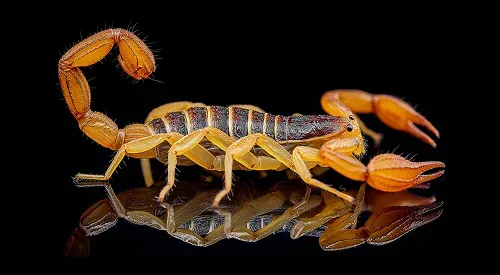
The bark scorpion is small, typically two to three inches long, slender and a uniform tan or straw color. Unlike many scorpions, it climbs well, so you may see it on walls, stucco, fences and even ceilings rather than only on the ground. They are nocturnal and hide during the day in cool, dark, tight spaces.
Signs of activity include a scorpion sighting inside the home, especially in bathrooms, garages and near door thresholds, and shed exoskeletons in storage areas. A flashlight check after dark is often how people find the real number. Many homeowners are surprised to learn how many are in the yard when they look with a blacklight, because scorpions glow under ultraviolet light.
Scorpions also follow food. A yard with crickets, roaches and other small insects will draw them in, which is why scorpion control and general pest control work best together.
Why the desert and your landscaping make scorpions worse
Scorpions are native to the Sonoran Desert, so you are not removing a newcomer, you are building a boundary against a resident. Block walls are a major highway, since their hollow cores and the gaps along their tops give scorpions a protected route straight to the property line. Rock landscaping, wood piles, tree bark, stacked pavers and irrigation boxes provide daytime shelter close to the house.
Watering also draws them. Lawns, drip lines and pool decks create moist corridors where prey insects thrive, and those insects bring scorpions. Neighborhoods with mature trees or planted washes often see higher activity than a bare-rock lot, though every property is different. The point is that scorpions are not random visitors. They are following shelter, moisture and food, and we treat those routes.
How we handle scorpions with the Tri-Guard process
Scorpion control follows the same Tri-Guard Technology steps we use everywhere, with extra attention to the details that matter for this pest.
- Inspection. We look at weep screeds, pipe penetrations, door and window seals and the landscaping bridges that scorpions use to reach walls.
- Custom planning. We plan treatment around block walls, rock beds and plantings, and around the safety of your family and pets.
- Targeted treatment. Professional-grade, eco-conscious products go around the perimeter and onto interior hot spots and nesting areas, in formulations meant to handle Arizona heat.
- Monitoring and prevention. We follow up and adjust as seasons change, because scorpion activity shifts with the temperature and the monsoon.
Because scorpions travel in from outside, ongoing service tends to matter more than a single visit.
Scorpion season in the Valley, month by month
Scorpions are active across most of the year in the Phoenix area, but their behavior changes with the weather. In the hottest months they spend daylight deep in cool shelter and come out at night to hunt, which is when most indoor sightings happen. Cooler evenings in spring and fall bring more surface activity, and a burst of monsoon humidity often pushes prey insects, and the scorpions chasing them, toward buildings.
In winter many scorpions slow down and cluster in protected spots, sometimes inside wall voids or under debris, then become active again with the first warm stretch. This is one reason we follow up and adjust the plan seasonally rather than treating once and walking away.
What you can do to reduce scorpions around the house
There are practical steps that make a real difference. Seal gaps around pipes, cables and the base of doors. Add door sweeps to garage and entry doors. Move firewood, stacked bricks and boards away from the house. Trim trees and shrubs so branches do not touch the roof or walls. Reduce clutter in garages and storage areas, and shake out shoes, towels and clothing left on the floor.
Keep irrigation in check too. Dripping lines and overwatered beds draw the insects scorpions hunt. Inside, do not leave pet food out overnight, since it attracts the crickets and roaches that scorpions feed on. None of these steps replaces professional treatment, but they cut down on the number of scorpions that find a reason to stay.
What to expect at your scorpion service
Your technician will walk the exterior, looking at the entry points and hiding places described above, and will treat the perimeter, wall bases, garage and other hot spots. We may also recommend small fixes, such as sealing a gap or trimming a plant. The goal is to leave you with a clear picture of why scorpions were getting in and how we blocked it.
Seeing a scorpion after service does not mean the plan failed. Scorpions can live outside the treated zone and wander through it, and no program can promise zero. What a consistent plan does is shrink the numbers, interrupt their food supply and give you a technician to call back when something shows up. If you are unsure whether you need scorpion service alone or a full recurring plan, compare our plans or ask for a free quote.
For anyone stung, especially a child or an older adult, seek medical care or call poison control promptly. Severe reactions need professional attention.