Quick answerWasp control in Scottsdale for paper wasps, yellowjackets and more. Safe, professional nest treatment and no contracts. Call 480-670-4529.
Updated November 18, 2026 · Studs Against Bugs, Scottsdale, AZ · 480-670-4529 Wasps have a knack for building exactly where your family spends time. The underside of a patio cover, the corner of a garage door, a porch light fixture, the hollow end of a pipe, a mailbox, a playset: all of them are favorite spots. In the desert, a small nest started in spring can become a serious problem by the heat of summer.
Studs Against Bugs handles wasp nests with professional-grade products and a plan to keep them from returning. Wasps are defensive around their nests, so we advise against do-it-yourself removal, especially with ladders, high eaves or anyone in the household who might react badly to a sting. Our team starts with an inspection, then treats and follows up. No contracts, free quotes, and honest answers.
Which Wasps Show Up in the Phoenix Area
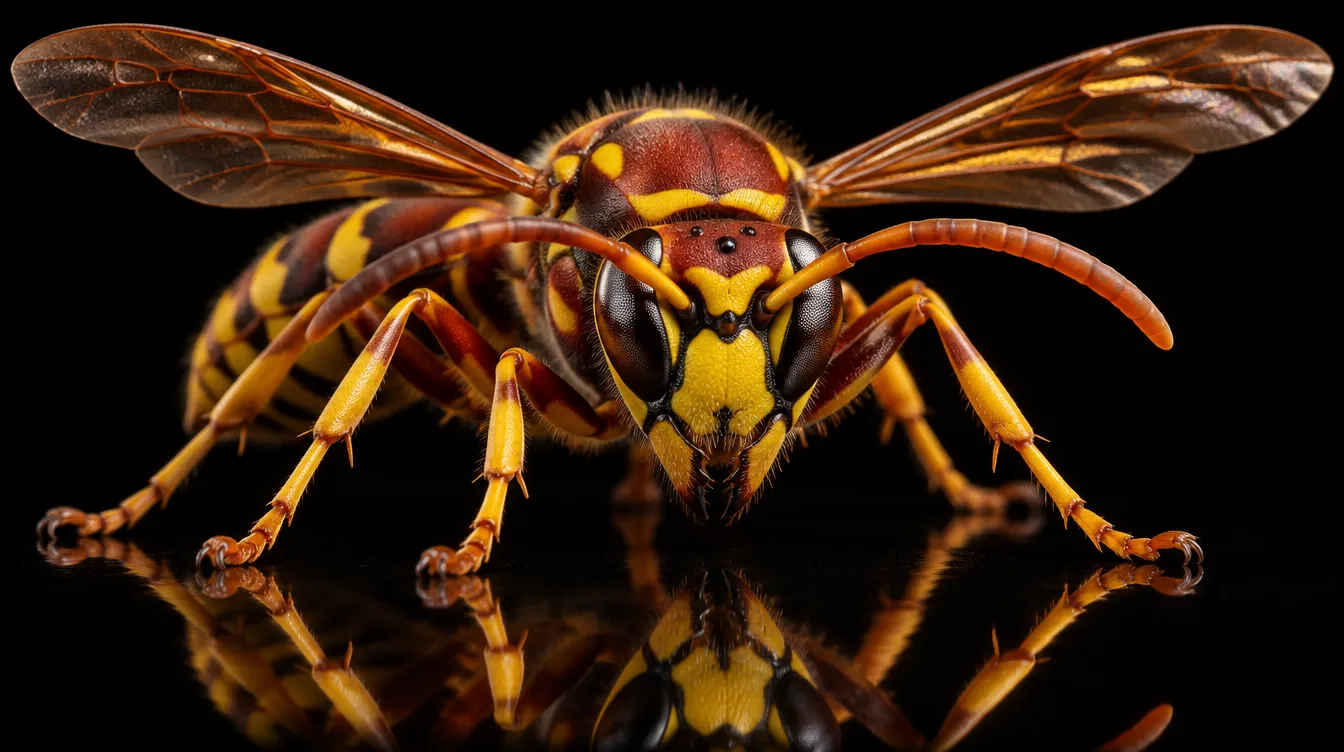
Arizona has several stinging insects that homeowners lump together as wasps. Paper wasps build open, umbrella-shaped nests with visible cells, usually under eaves and overhangs. Mud daubers build small tubes of mud on walls and under covers, and are generally less aggressive. Yellowjackets often nest in the ground, in wall voids or in landscape cavities, and can be far more defensive. The behavior, the nest location and the safest approach differ for each.
That is why identification comes before treatment. Walking up to a nest to find out what is living in it is not the way to learn. Take a photo from a safe distance and send it with your request, and we can start the conversation right away.
Where to Look Around Your Property
The most common nest locations on desert homes follow a pattern. Check these spots from a safe distance:
- Eaves, soffits and the undersides of patio covers and pergolas.
- Garage door tracks, door frames and the tops of shutters.
- Outdoor lighting, electrical boxes and irrigation valve boxes.
- Block wall caps, hollow pipes, grill covers and outdoor furniture.
- Ground holes near landscaping, trees and the edges of turf.
Early in the season, nests are small and quiet. Catching them then is easier and safer than waiting until the colony is large and active.
How the Tri-Guard Process Handles Wasps
First, a thorough inspection to find every nest, not just the one you noticed, and to understand what attracted the wasps. Second, a plan that fits the nest type, its height and location, and the people and pets nearby. Third, targeted treatment using professional-grade products applied by a trained technician, followed by removal of the nest where appropriate so a fresh colony does not simply reuse it. Fourth, ongoing monitoring, because wasps are persistent about returning to spots that have worked before.
Read more about how this approach works on our Tri-Guard Technology page.
What You Can Do to Discourage Nests
Prevention is far easier than removal. Walk the exterior of the house every couple of weeks during warm months and look up. Seal small gaps and cap open pipe ends, since wasps look for sheltered cavities. Keep trash cans closed and clean up spilled sweet drinks around the pool and patio, because food and water draw scouts. Fix leaking hose bibs and drip lines, which provide the water wasps need.
If you do find a nest, resist the urge to spray it yourself. Agitated wasps can swarm toward the person nearest the nest. If anyone is stung and shows trouble breathing, widespread hives or facial swelling, seek emergency medical care right away. Call poison control for guidance, especially if a child has been stung several times.
Why Timing Matters So Much With Wasps
Wasp colonies follow a seasonal rhythm that works against homeowners. In spring, a single queen starts a small nest, often no bigger than a golf ball, and tends it herself. By summer the first workers have taken over, the colony expands quickly, and the nest may hold dozens or more defensive wasps. Late in the season, the colony produces new queens that leave to overwinter in sheltered spots, sometimes inside the structure of your home, ready to start the cycle again next year.
This is why early detection pays off. A small, young nest is easier and safer to handle than a large, established one, and treating it can prevent the colony from ever reaching its peak. A regular exterior check every two weeks takes only a few minutes and can save you a stinging encounter in August.
It also explains why a recurring plan makes sense for homes that have had wasp trouble before. A technician who visits on a schedule is more likely to catch a young nest, and can adjust treatment before the colony grows.
Finally, think about where your family gathers. If the patio table, the pool steps or the playset sits within a few feet of a nest, treat it as a priority. Wasps are most active in the warmth of the day, and they become more irritable as temperatures climb, so a nest that seemed quiet in April can feel very different in July. Keeping a short list of the nests you have found, with dates, helps your technician understand the pattern on your property.
What to Expect at Service
Your technician will inspect the entire property first, then discuss the plan and the safest approach for each nest. After treatment we recommend staying clear of the area for the time your technician advises. Because new nests can appear weeks later, many homeowners add wasp prevention to a recurring plan. Our Quarterly plan starts at $53 per month, and our Bimonthly plan starts at $99 per service, with exact pricing based on your home. If you are seeing a hive rather than a wasp nest, read about bee removal. To get started, request a free quote or call 480-670-4529.