Quick answerGopher control in Scottsdale AZ to protect lawns, irrigation lines and landscaping. Trapping and exclusion, no contracts. Free quote available.
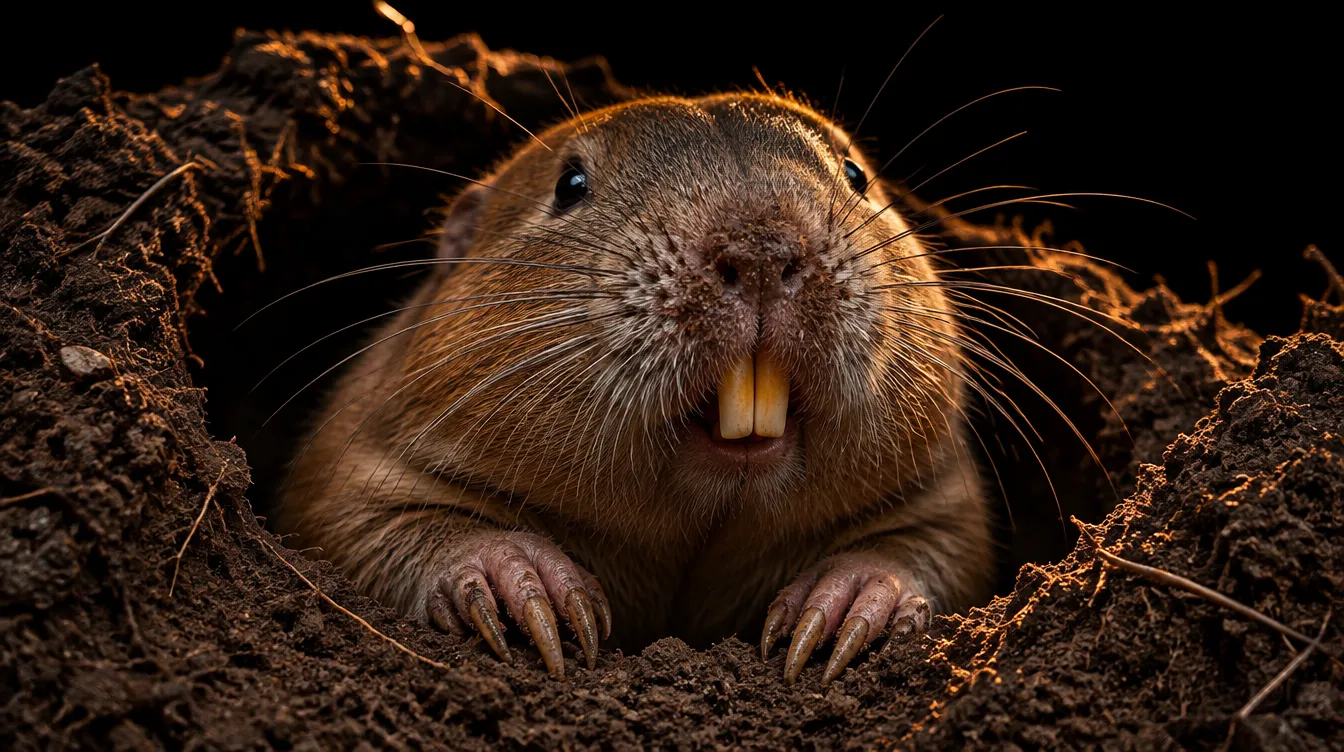
Updated November 18, 2026 · Studs Against Bugs, Scottsdale, AZ · 480-670-4529 A fresh crescent of loose soil on the edge of the lawn is how most homeowners learn they have a gopher. Soon after, plants wilt for no apparent reason, a drip line goes dry, and a section of turf sinks. Gophers spend nearly their entire lives underground, tunneling through the soil and feeding on roots, bulbs and tubers, and one animal can do a surprising amount of damage to a landscape you have invested in.
Studs Against Bugs helps Scottsdale homeowners protect their yards with practical gopher control. In general terms, that means trapping to remove the animal that is active, and exclusion measures to help keep new ones out. We start by inspecting and identifying, then explain the plan. No contracts, free quotes.
How to Tell It Is a Gopher
Several burrowing animals leave signs in a yard, so identification matters. Gophers leave fan-shaped or crescent mounds of fine soil, with a plugged hole off to one side, usually sealed with soil. Ground squirrels and other burrowers tend to leave open holes with no mound. Look for:
- Horseshoe or crescent-shaped mounds of loose soil on lawns and in planting beds.
- Wilting or toppled plants, as roots are eaten from below.
- Dry or damaged irrigation lines and drip tubing.
- Soft, sunken spots in turf where tunnels have collapsed.
- Missing bulbs, vegetables or small shrubs pulled down from below.
Why Gophers Do Well in Desert Landscapes
Irrigated yards are an oasis. Gophers favor soft, moist soil that is easy to dig, and a regularly watered lawn or planting bed offers both, plus a steady food supply of roots. Properties next to open desert, washes and preserve land are the most exposed, since new animals can move in from the surrounding terrain. Even after one is removed, an attractive yard can draw the next.
Gopher tunnel systems can also run under walkways, patios and pool decks, and the loose soil and collapse risk are another reason not to ignore them.
Trapping and Exclusion in General Terms
Gopher control typically involves two pieces. Trapping removes the animal that is actively working your yard. Because gophers are generally solitary, finding and trapping the active tunnel is a targeted, practical approach. Exclusion involves physical barriers that protect vulnerable plantings and areas, such as underground barriers around beds and protection for roots. The right combination depends on your landscape and what you want to protect, and we explain the specifics for your property during the visit.
We do not recommend home remedies such as pouring chemicals or gas into tunnels, since they are often ineffective and can create hazards for kids, pets and the soil.
How the Tri-Guard Process Applies
Our Tri-Guard process begins with an inspection to find the active tunnels, the mound pattern, and the areas most at risk, such as irrigation lines and prized plantings. We plan treatment around your landscape and the safety of your family and pets, carry it out, and then monitor for new mound activity, because yards that have had one gopher are often visited again.
For a broader view of what moves through your yard, read about our pest inspection, and see our flea control page, since wildlife in the yard can bring other pests along.
Protecting What You Have Planted
Gophers do the most damage to what homeowners care about most: a new lawn, a vegetable bed, young trees, a rose garden, or the drip lines that keep everything alive. Planning your plantings with gophers in mind saves a lot of heartache.
When you install new trees or shrubs, ask your landscaper about lining the planting hole with a protective barrier so roots are not exposed to tunneling from below. For raised or in-ground beds, a barrier beneath the bed prevents gophers from coming up from underneath. Keep drip tubing visible where possible and check it regularly, since a sudden dry zone in the landscape may mean a line has been chewed. If you manage a lawn, walk it every week or two, especially after irrigation, when fresh mounds are easiest to spot.
Also think about the edges. A property that backs onto open desert is under constant pressure, and the border where lawn meets natural ground is where new gophers tend to arrive. Reinforcing that border and watching it closely helps you catch an arrival early, when one trapped animal can stop the damage before it spreads across the yard.
Avoid over-irrigating, which softens the soil and encourages tunneling. A properly scheduled system waters plants without turning the ground into an easy highway.
A final point is safety around the yard itself. Gopher tunnels can undermine soil beneath walkways, and loose ground can give way underfoot, especially near pool decks and retaining walls. If you notice settling pavers, cracks beside a patio or soft ground near a wall, mention it during the visit so the technician can look at how far the tunnel network extends. Keep kids and pets from playing on freshly disturbed ground until the area has been checked.
What You Can Do and What to Expect
Mark fresh mounds with a flag so your technician can see recent activity, and take photos of damage. Avoid flattening mounds immediately, since the pattern helps locate the active tunnel. Keep irrigation lines visible and check them regularly, and protect new plantings with barrier measures when you install them. Consider your HOA guidelines before making major landscape changes.
Gopher quotes are free and depend on the size and layout of your property. Request a quote or call 480-670-4529. If you also want year-round pest protection, our recurring plans are available, with no contracts.