Quick answerCentipede control in Scottsdale AZ. Find out why they show up in bathrooms and garages and how to stop them. No contracts. Call for a free quote.
Updated November 18, 2026 · Studs Against Bugs, Scottsdale, AZ · 480-670-4529 Nobody expects to see a long, many-legged centipede dart across the bathroom floor. Centipedes are fast, startling, and in Arizona they can be large. They are hunters that feed on other insects, which means a centipede indoors is usually a sign that there is food for it: spiders, crickets, roaches or other small pests.
That is how Studs Against Bugs approaches them. We do not just chase the centipede. We look at why it came in, which pests are feeding it, and which damp or cracked areas let it settle. Our professional-grade, heat-resistant treatments and Tri-Guard planning aim at the whole chain. No contracts, free quotes.
What Centipedes Are, and Are Not
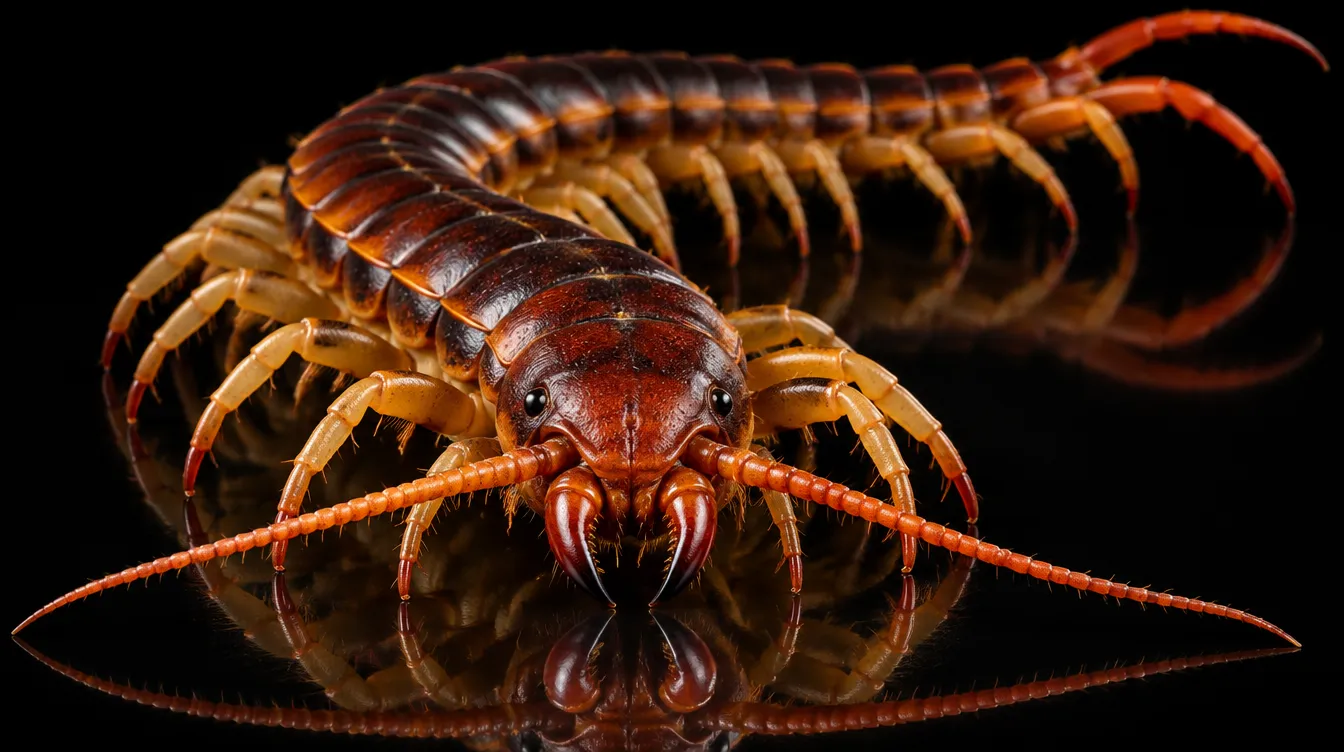
Centipedes have flattened bodies, one pair of legs per body segment, and long antennae. House centipedes are smaller with very long, thin legs, while desert species such as the Arizona giant desert centipede can reach several inches and look intimidating. All centipedes can bite, and some bites cause pain and swelling similar to a bee sting. Most people recover without trouble, but you should seek medical care or call poison control if there is a severe reaction, especially for children, and keep pets away.
They are not wood-eaters or disease spreaders. They are predators looking for prey and for cool, damp hiding spots, and they tend to hunt at night.
Why Centipedes Show Up in Desert Homes
The desert is dry, so centipedes are drawn to the damp micro-environments around a home: irrigated flower beds, under pots, beneath rock borders, in leaf litter and mulch, around pool equipment, and in the moist areas of bathrooms, laundry rooms and under sinks. Monsoon storms can push them out of their burrows and toward buildings, and homes near open desert and washes see them more often.
Inside, they follow their food. Crickets, spiders, silverfish and roaches are all prey, so if you are seeing centipedes regularly, it is worth asking what else is in the house.
Where and When You Might Find Them
- Bathrooms and tubs, especially near drains.
- Garages, laundry rooms and utility closets.
- Under sinks and behind water heaters.
- Outdoors under pots, pavers, wood piles and stored items.
- Around door thresholds and window wells after rain.
Sightings often spike during monsoon season, and in the late evening. If you find them frequently, that points to a persistent moisture source or a food supply nearby that deserves attention.
How Tri-Guard Technology Handles Centipedes
The inspection looks for entry points like weep screeds and pipe penetrations, moisture problems, and the prey pests that attract centipedes. Our custom plan then targets the centipedes and the food chain together. Professional-grade, eco-conscious barriers go around the perimeter and into the interior hot spots where they hide, and ongoing monitoring tracks activity through the changing seasons.
Treating the prey is often what makes the difference. See our pages on cricket control and earwig control, since those pests often share the same damp habitat.
Living With Desert Centipedes Safely
Arizona is home to some impressive centipedes, including the Arizona giant desert centipede, which can grow longer than a hand and is often seen after monsoon storms. Most encounters are brief and end with the centipede racing for cover, but a few sensible habits make them safer for everyone in the home.
Wear closed shoes and gloves when you work in the yard, move pavers or pick up stored items, since that is when most bites occur. Shake out shoes, towels and clothing that have been left outside or in the garage. Keep beds away from walls and do not let bedding touch the floor if you have had repeated sightings in a bedroom. Teach children not to pick up or poke any many-legged creature, and keep an eye on curious dogs and cats, which sometimes get bitten investigating one.
If someone is bitten, wash the area, apply a cool compress, and watch for swelling, spreading redness or any sign of an allergic reaction. For severe pain, a reaction in a child, or any difficulty breathing, seek medical care or call poison control. Do not try to catch the centipede with bare hands. If you can safely take a photo, it helps identification.
The long-term fix is to remove what draws them in, which is why our process looks at moisture, entry points and prey together.
Homeowners often wonder whether to simply tolerate an occasional centipede, since they do eat other insects. That is a fair view for a single outdoor sighting. But a centipede inside the living space, or repeated sightings in the same room, usually means conditions worth correcting, whether moisture, entry gaps or an underlying pest population. Handling the cause is what stops it, and the inspection step gives you the answer rather than leaving you to guess.
Tell your technician which rooms you see them in and at what time of day. Patterns such as only after rain, only in the guest bathroom or only in the garage give strong hints about where moisture or prey is concentrated, and they help us place treatment where it will work.
What You Can Do and What to Expect
Reduce moisture by fixing leaks, ventilating bathrooms, and running a dehumidifier in damp spaces. Declutter garages and storage areas, seal cracks and gaps around pipes and doors, and trim vegetation and mulch away from the foundation. Wear gloves when moving stored items, shake out shoes and towels left outside, and never handle a centipede with bare hands.
Your technician will inspect, treat and explain what to watch for. Recurring plans keep the barrier fresh, with our Quarterly plan from $53 per month and Bimonthly plan from $99 per service. Request a free quote or call 480-670-4529.