Quick answerEarwig control in Scottsdale for damp yards, patios and entry points. Heat-resistant professional treatment, no contracts. Call for a free quote.
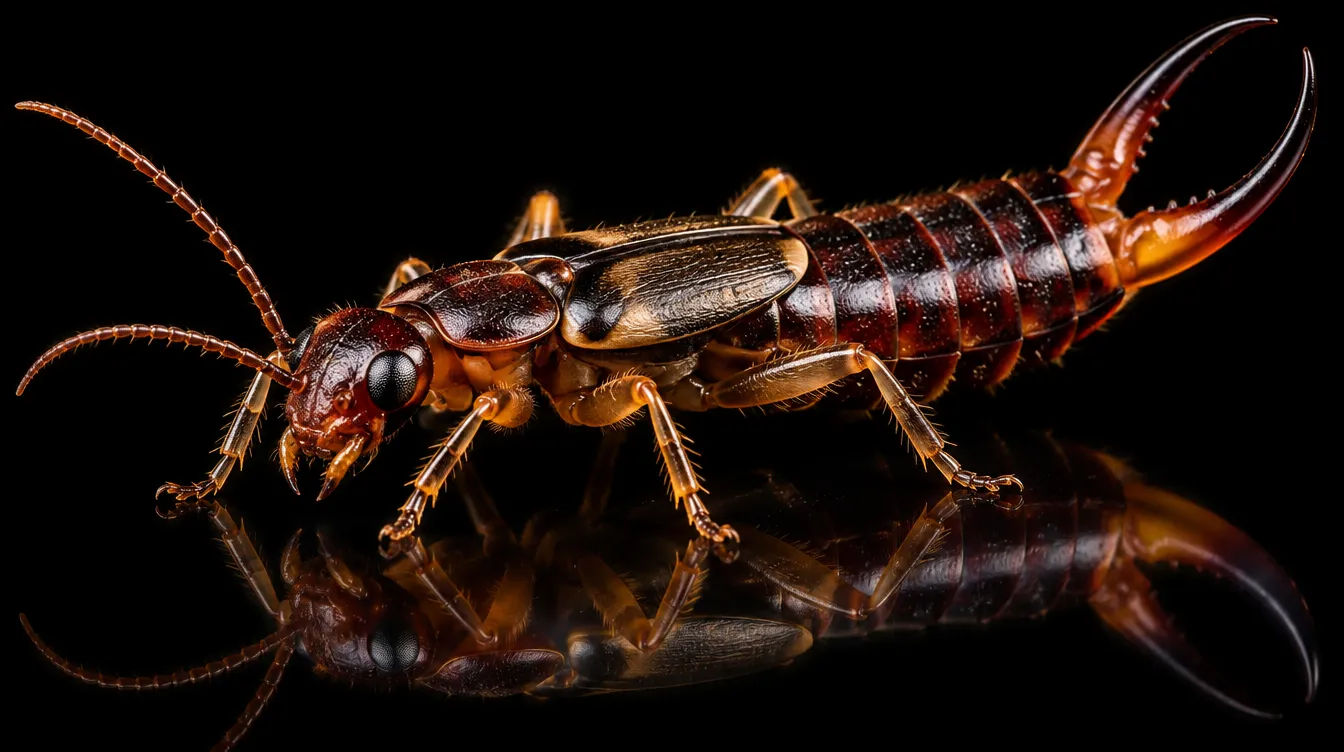
Updated November 18, 2026 · Studs Against Bugs, Scottsdale, AZ · 480-670-4529 Earwigs look worse than they are. Their pincers make people nervous, but they are mostly a nuisance pest that gets noticed when it ends up where it does not belong: a bathroom sink, a garage corner, the folds of a towel on a patio chair. They will not hurt your home, but nobody wants them in it.
In Scottsdale, earwigs are a moisture story. They thrive wherever a landscape stays damp, and nicely irrigated desert yards offer exactly that. Studs Against Bugs finds the damp harborage, treats it with professional-grade products that hold up in heat, and helps you close the gaps so they stay outside. No contracts, free quotes.
What Earwigs Are Looking for at Your House
Earwigs are nocturnal and spend the day hidden in dark, damp, tight spaces. Around a desert home, that means the soil under pots and stepping stones, beneath irrigation boxes, in mulch, in the underside of planters, within thick groundcover and along the edge of damp patios. After dark they move around to feed on decaying plant matter and some soft-bodied insects, and they are attracted to outdoor lights.
They tend to enter homes when conditions outside get too hot and dry or too wet. That is why you might see more of them after a monsoon storm or during long irrigation cycles.
Signs You Have an Earwig Problem
- Several earwigs hiding under pots, boards, stones or mulch when you lift them.
- Earwigs near doors, windows and garage thresholds in the morning.
- Ragged holes in tender leaves, flower petals and seedlings.
- Earwigs in bathrooms, laundry rooms and kitchens, particularly near drains.
- Activity that rises after monsoon rains or heavy watering.
A few earwigs indoors do not necessarily mean a big infestation, but frequent sightings suggest a harborage close to the house.
How Tri-Guard Technology Addresses Earwigs
We begin with an inspection of the landscape and the home exterior, looking at moisture sources, mulch depth, plantings that touch the walls and the common entry points such as weep screeds and pipe penetrations. The plan then focuses on the places where earwigs actually hide, rather than spraying everything. Targeted, professional-grade, eco-conscious treatment goes to the perimeter and the damp hot spots, and ongoing monitoring keeps an eye on activity as seasons change.
The full explanation is on our Tri-Guard Technology page, and it is the same careful approach we use for every pest.
Landscaping Habits That Make a Difference
Because earwigs follow moisture, small landscaping changes have an outsized effect:
- Pull mulch, leaves and debris a few inches away from the foundation.
- Move potted plants and planters a little away from the walls and lift them off the ground when you can.
- Fix irrigation leaks and adjust any emitter that keeps the same spot soaked.
- Clear leaf piles, stacked wood and boards where earwigs can shelter.
- Reduce bright lights near doors, or use warmer-toned bulbs, to avoid drawing them in.
You do not have to give up a lush yard. The idea is to keep the damp, dark shelter away from your doors.
Earwigs, Gardens and the Desert Lifestyle
Many Scottsdale homeowners put real effort into their landscaping, with container gardens, citrus trees, herb beds, rose bushes and shaded patio plantings. Earwigs fit into this picture awkwardly. They do help by eating some decaying plant matter and small insects, but they also chew holes in tender leaves, flower petals, seedlings and soft fruit, which makes them a frustrating guest in a lovingly tended garden.
The trick is balance. You can keep a lush, well-watered yard and still discourage earwigs by adjusting where and how things are placed. Raise containers on pot feet so the underside can dry. Water in the morning so surfaces dry by evening, when earwigs become active. Keep mulch thin and away from walls, and avoid piling plant clippings close to the house. Rock borders near the foundation can hold moisture and heat, so check beneath them if you see activity.
Indoors, the answer is mostly exclusion and cleanup. Check towels, shoes and outdoor cushions before bringing them in, and keep an eye on damp areas such as under sinks, around washing machines and inside bathroom cabinets. A little vigilance keeps the occasional earwig from becoming a routine visitor.
Homeowners with pets or children often ask whether earwig treatment will interfere with the yard. The short answer is that your technician will explain exactly where products go and how long to stay clear of those spots, and the plan is built around a family that actually uses the yard. We focus on the damp, sheltered areas where earwigs hide, which are usually small parts of the property rather than the whole lawn. That targeted approach limits what is applied while still putting the barrier where the insects are living.
If you have a vegetable garden or fruit trees, point them out at the start of the visit. We will talk through what makes sense near edible plants, and you can decide how much you want done in those areas. Your input shapes the plan, and the plan changes as the seasons and your landscaping do.
What to Expect When We Visit
Your technician will walk the yard and the exterior with you, treat the perimeter and the damp areas that attract earwigs, and explain what you can do to support the results. Earwig activity tends to follow weather, so a recurring schedule keeps the barrier fresh. Our Quarterly plan starts at $53 per month for medium to large landscaped yards, and our Bimonthly plan starts at $99 per service for hardscape-heavy properties, with exact pricing based on your home. If you are not sure what you are seeing, a pest inspection can identify it. Request a free quote or call 480-670-4529.