Quick answerCockroach control in Scottsdale for roaches indoors and out: inspection, targeted gel and barrier treatment, pet-conscious. No contracts. Free quote.
Updated November 18, 2026 · Studs Against Bugs, Scottsdale, AZ · 480-670-4529 Nobody wants to find a cockroach in a clean kitchen, and for many Scottsdale homeowners the surprise is that it happens at all. Roaches are not a sign of a dirty house. In the Valley, they come in from sewers, irrigation boxes, block walls and neighboring properties, especially when the weather is hot or after a monsoon storm. Once inside, certain species multiply fast, which is why early, professional treatment makes a real difference.
Studs Against Bugs provides cockroach control that identifies the species, finds where they are living and entering, and applies professional-grade treatment that stands up to the Arizona heat. There are no contracts, and quotes are free.
Know your roach: the species you are likely to meet
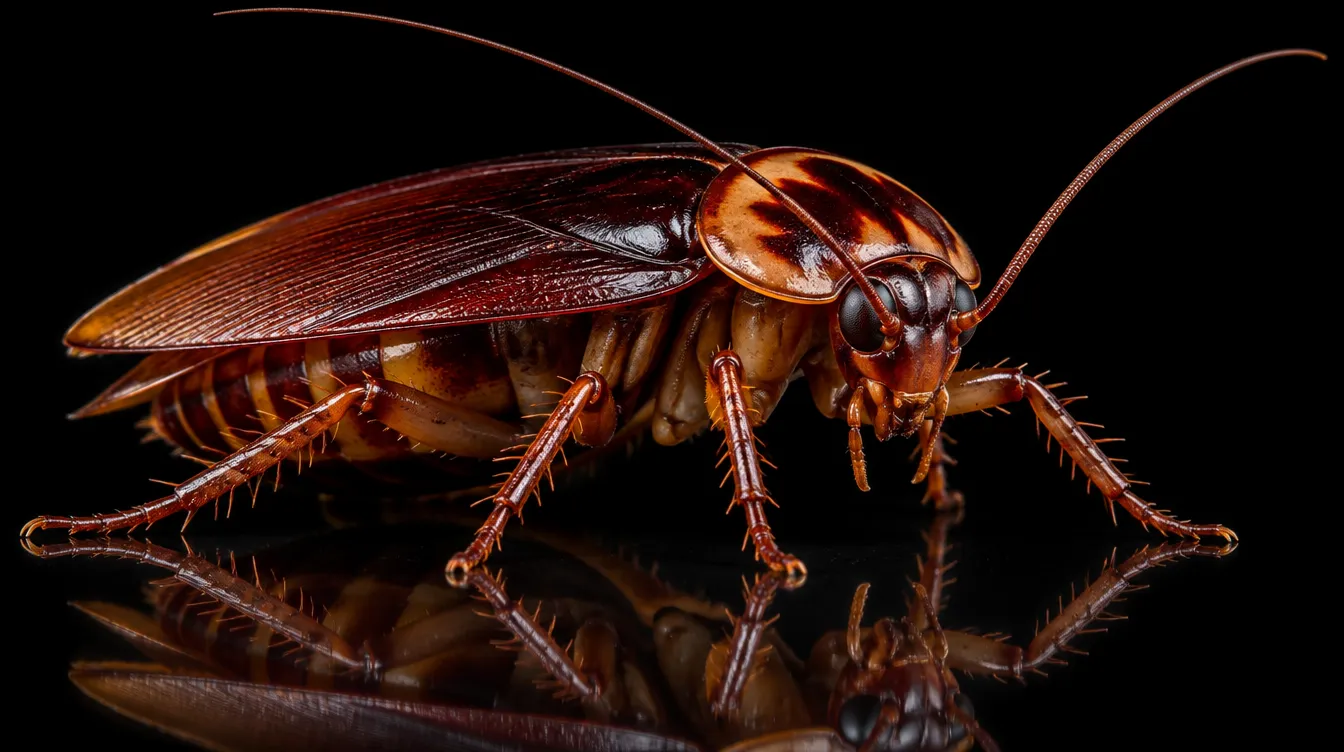
In the Phoenix area, the roaches homeowners see most are large outdoor species often called palmetto bugs or tree roaches, such as the American cockroach, along with smaller indoor species such as the German cockroach. They behave very differently, which affects treatment.
Large outdoor roaches live in sewers, mulch, tree holes, irrigation boxes and the warm, moist crevices of landscaping, and wander indoors looking for water or relief from heat. A single large roach in the house is often a lone visitor. German roaches, by contrast, live and breed indoors, hiding in kitchens and bathrooms near food, water and warm appliances. Seeing several small roaches, especially in the daytime, usually points to a real infestation.
Roaches need water, and the desert is dry. When temperatures peak, they head to places with moisture, and your home is full of them: sink traps, shower drains, dishwasher connections, pet water bowls and dripping irrigation outside. Large outdoor roaches also leave sewer lines and flood-prone areas when heavy storms hit, which is why sightings often jump after a monsoon.
Homes in dense subdivisions and condo communities share walls, utility lines and landscaping, so roaches move readily from one unit to another. Older plumbing and gaps around pipes make it easier for them to enter. In contrast, a home with sealed penetrations and a well-maintained perimeter barrier is much harder for them to use as a route.
How the Tri-Guard process tackles roaches
Our Tri-Guard Technology process begins by working out which roach you have and how it is getting in.
- Comprehensive property inspection. We check kitchens, bathrooms, garages, utility closets, pipe penetrations and weep screeds, and look outside at irrigation boxes, landscaping and wall bases.
- Custom desert-defense planning. We select an approach for the species and the areas involved, with the safety of your family and pets in mind.
- Targeted strategic treatment. Professional-grade, eco-conscious treatments go into harborage areas, interior hot spots and the exterior perimeter.
- Ongoing monitoring and prevention. We follow up and adjust the plan, because roach activity changes with the seasons and weather.
Recurring service also helps outdoors, where new roaches arrive regularly from neighboring areas.
What you can do to make your home less appealing
Roaches follow food, water and shelter, so remove all three where you can. Wash dishes promptly, wipe counters and stovetops, and sweep or vacuum crumbs. Keep food in sealed containers, including pet food, and empty the kitchen trash daily. Fix leaking pipes, faucets and drains, and dry the sink at night.
Reduce clutter, especially piles of cardboard, newspaper and paper bags, which provide hiding places and are food for some species. Seal gaps around pipes under sinks and where utilities enter the house. Outside, keep mulch and leaf litter away from the foundation and make sure irrigation boxes close tightly. If you are moving, check boxes and furniture for roaches and egg cases before bringing them in.
What to expect at service and in the weeks after
Your technician will inspect and treat the interior hot spots and the exterior perimeter, explain what was applied and give you simple prep and follow-up instructions. You may see roaches for a short while after treatment, since the products work as roaches contact them and egg cases hatch over time. Increased daytime sightings in the first days can mean that hidden roaches are coming out, which is a sign the treatment is reaching them.
Avoid spraying store-bought insecticide over treated areas, because it can interfere with the product we applied. Instead, let us know how the activity is trending. A follow-up visit lets us fine-tune the approach. If you want ongoing protection, our quarterly plan and bimonthly plan both cover cockroaches along with other common pests. You can also contact us for a free quote.
Roaches in kitchens, bathrooms and garages: where we look first
The hot spots are predictable once you know the habits. Behind and under the refrigerator and stove, inside cabinet corners near the sink, under the dishwasher and around bathroom plumbing are classic harborage areas, because they offer warmth, moisture and darkness all in one place. Garages and laundry rooms attract larger roaches, particularly around water heaters, floor drains and stored cardboard.
We check these areas with a flashlight and look for droppings, shed skins and egg cases, which tell us how established the population is. Outside, we inspect irrigation boxes, the base of block walls, palm trees and shaded plant beds. Treating both the indoor hiding spots and the outdoor sources is what gives results that last longer than a spray along the baseboards.
Apartments, townhomes and shared walls
If you live in a townhome, condo or tightly packed community, treating your unit alone may not be enough. Roaches travel through shared walls, plumbing chases and landscaping from one residence to another. In those settings, it helps to tell your neighbors or your HOA about the problem, since coordinated attention gets better results. We are happy to talk through the options when you call.
Cockroaches are linked to allergens and asthma triggers, particularly in children, and they can spread bacteria across food preparation surfaces. They are also hard to eliminate on your own because they hide in tiny cracks and breed quickly. A professional program reduces the population and cuts down on repeat appearances, and that matters when you are cooking for your family.